ISLAMABAD: The European Investment Bank (EIB) has expressed interest in investing in Pakistan’s multibillion-dollar Reko Diq Project, potentially in exchange for access to critical mineral supplies, as officials seek to attract foreign investment into the strategic mining sector.
Speaking at the EU-Pakistan Business Forum, Dr. Nawaz Ahmed Virk, Director General of Minerals at the Ministry of Energy, dismissed claims that Pakistan holds $6 trillion worth of mineral reserves, calling the figure “highly exaggerated” and not based on comprehensive exploration. However, he emphasized that the country still possesses significant untapped mineral potential.
Dr. Virk noted that the government is addressing concerns from contractors regarding the imposition of general sales tax and withholding tax during the development phase of Reko Diq. While the project’s income has been exempted from taxes to attract investors, discussions with the Finance Division are ongoing to defer additional taxes until production begins.
EIB representative Marco Arena highlighted the bank’s interest in financing enabling infrastructure for the project, while also seeking a share in the mineral offtake to support Europe’s green and digital transition. He stressed the importance of predictable regulations, enforceability, and currency stability in ensuring the success of large-scale mining ventures.
The EIB recently re-engaged with Pakistan after a decade, committing €160 million for housing and water projects, and signaled broader interest in the country’s mineral sector.
Meanwhile, Barrick Gold, the lead investor in Reko Diq, has slowed development activities due to rising security concerns. The company announced it will continue reviewing the project until mid-2027, citing escalating regional risks, rising capital requirements, and evolving project timelines.
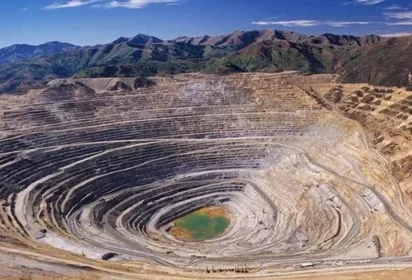
Reko Diq, one of the world’s largest undeveloped copper and gold deposits, is estimated to cost between $5.6 billion and $6 billion in its first phase, with an additional $3.3 billion to $3.6 billion projected for Phase II. Initial production was earlier targeted for 2028.
The project’s ownership structure includes 50% held by Barrick Gold, 25% by federal state-owned enterprises, and 25% by the Government of Balochistan, making it a cornerstone of Pakistan’s long-term resource development strategy.